Wrangler’s Bold Foray into Barbiecore: A Celebration of Heritage and Modernity

Wrangler’s Bold Foray into Barbiecore: A Celebration of Heritage and Modernity

December 5, 2023

Yagiz Pekkaya

3 minute reading

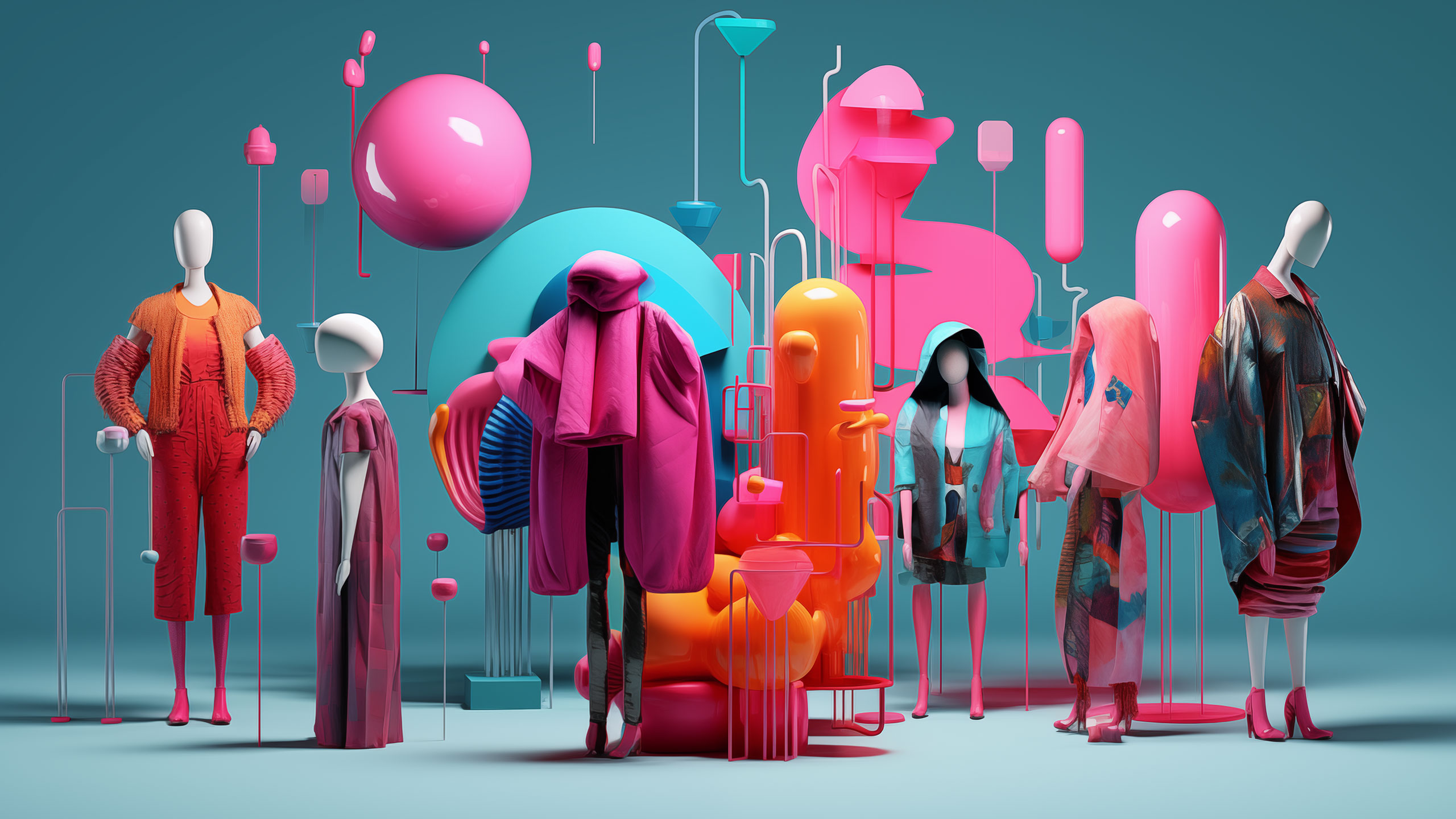
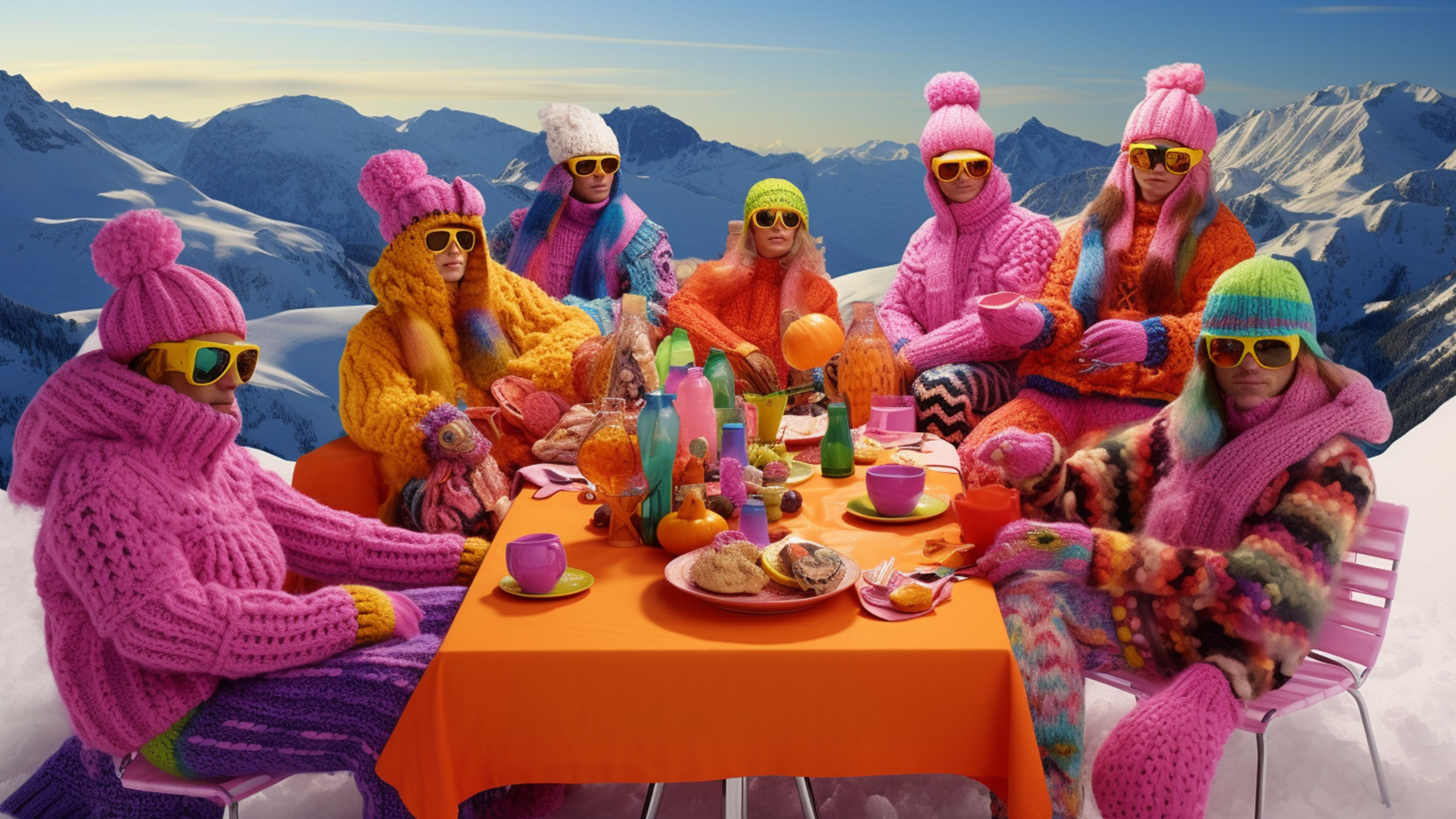
Wrangler Barbiecore

In a striking blend of nostalgia and contemporary fashion, Wrangler, under Kontoor Brands, has partnered with toy giant Mattel Inc. to launch a captivating Barbie-themed collection. This collaboration, aligning with the much-anticipated Barbie movie, is not just a fashion statement but a celebration of shared heritage and a bold step into the vibrant world of Barbiecore. Alongside, Lee continues to innovate, contributing to the dynamic and ever-evolving fashion landscape.

Wrangler X Barbie: A Fusion of Classic and Contemporary

The Wrangler X Barbie capsule collection is a vivid expression of shared legacies. It comprises casual and statement pieces that perfectly encapsulate the Western flair of Wrangler and the bright, playful essence of Barbie. This line includes tops, tees, jeans, and dresses, all imbued with the spirited vibrancy typical of Barbie’s world.

The collection features an array of denim items in women’s and girls’ sizing, including jackets, jeans, and dresses. It boasts sweatshirts and ringer tees emblazoned with the Barbie logo, along with sweaters and fleece jackets. A standout feature is the use of Barbie’s signature hot pink color, which has become a trending hue since the movie’s announcement.

Embracing Empowerment and Identity
Jenni Broyles, senior vice president of Wrangler, encapsulates the essence of this collaboration, stating that Barbie is a symbol of empowerment. This collection is designed to encourage individuals of all backgrounds to embrace their unique identities and make bold statements. It’s not just about fashion; it’s about making an impact that resonates with personal empowerment and cultural significance.

Beyond Apparel: The Expansive Reach of Barbiecore
The Barbiecore trend, sparked by the movie announcement, has transcended the apparel space, influencing various sectors. This is evident from Mattel’s collaboration with Aldo for Barbie-themed shoes and accessories. With over 35 official Barbie-branded collaborations reported by Time, the influence of this trend is widespread and multidimensional.

The Wrangler X Barbie collection is a testament to the power of collaboration, blending heritage with modern trends. It’s a bold move by Kontoor Brands, showcasing its ability to stay relevant and innovative in a rapidly changing fashion landscape. As they continue to navigate through trends like Barbiecore, Wrangler, and Lee set an example of how legacy brands can adapt, evolve, and resonate with new generations. This collection is more than just clothing; it’s a celebration of empowerment, a nod to shared histories, and a vibrant expression of individuality in today’s fashion world.



Sourcing: MarkaLab’s Strategic Approach in a Global Marketplace

Sourcing: MarkaLab's Strategic Approach in a Global Marketplace

December 5, 2023

Yagiz Pekkaya

3 minute reading

Navigating the Complexities of Sourcing

In the intricate World of modern manufacturing, the decision between local and global sourcing presents a significant strategic crossroad. At MarkaLab, we have refined a nuanced approach that harmonizes the strengths of both local and global sourcing methodologies. This article aims to provide an in-depth view of our sophisticated sourcing strategy, which is designed for efficiency, quality, and sustainability, making it a model for businesses navigating similar complexities.

Local sourcing, for MarkaLab, is more than a logistical choice; it’s a commitment to community and quality control.

Advantages
• Proximity and Agility: Our local sourcing allows us to respond swiftly to market changes and maintain shorter supply chains, enhancing our operational agility.
• Quality Assurance: Close oversight of the production process ensures adherence to our high standards, fostering consistent quality across our product lines.
• Economic Empowerment: We take pride in bolstering the local economy, contributing to job creation, and fostering community growth.
• Sustainability Focus: Reduced transport distances align with our environmental commitments, lowering our carbon footprint.

Global Sourcing: Expanding Horizons for Competitive Advantage
Our global sourcing strategy is not just about expanding our reach; it’s about tapping into a diverse pool of resources for better cost efficiency and innovation.

Advantages
• Cost-Effectiveness: Accessing global markets often leads to more economical sourcing options, thanks to varied labor and production costs.
• Diversity of Resources: A global supplier base provides us with a broader spectrum of materials and cutting-edge products.
• Scalability Potential: Global sourcing is key to scaling our operations, particularly when local supply chains cannot meet our demand.

MarkaLab’s Hybrid Sourcing Strategy

Our approach at MarkaLab is not a binary choice between local and global sourcing but a strategic blend of both.

• Balanced Sourcing Model: We integrate local and global sourcing to optimize benefits and mitigate limitations.
• Strong Supplier Relationships: We focus on cultivating long-term partnerships with both local and international suppliers.
• Adaptive Strategies: Our sourcing methods are continually reassessed to stay aligned with evolving market trends, sustainability goals, and business expansion plans.

In-House Manufacturing Excellence
Our commitment to quality and efficiency is further reflected in our own manufacturing facilities:

• ProLAB: A technologically advanced factory specializing in footwear.
• Outerwear Production Facility: Dedicated to crafting high-quality outerwear.
• Denim Production Facility: Focused on creating premium denim products with precision.
• Knitwear Production Facility: Skilled in producing superior knitwear.

Each of these facilities embodies our commitment to excellence, equipped with cutting-edge technology and adhering to strict quality and ethical standards.

At MarkaLab, our sophisticated sourcing strategy represents a dynamic balance between local and global sourcing, ensuring we meet the highest standards of quality, efficiency, and sustainability. This approach not only positions us at the forefront of the manufacturing sector but also serves as a blueprint for businesses seeking to navigate the complexities of sourcing in today’s global marketplace. Our journey reflects a commitment to continuous improvement and adaptation, ensuring we remain competitive and relevant in a rapidly evolving industry.


Knitwear Reimagined: Inside MarkaLab’s Knitwear Production Facility

Knitwear Reimagined: Inside MarkaLab's Knitwear Production Facility

December 5, 2023

Yagiz Pekkaya

3 minute reading

Knitwear Reimagined

In the heart of MarkaLab’s innovative journey lies our Knitwear Production Facility, a hub where art meets science to create knitwear that transcends traditional boundaries. Here, we blend creativity with cutting-edge technology and sustainable practices to craft knitwear that’s not just about warmth and comfort but also about making a statement. Let’s 
take a closer look at how we at MarkaLab reimagine knitwear, setting new standards in the fashion industry.

The Genesis of Design
Our journey begins with the design process. Our team of talented designers draws inspiration from global trends, cultural narratives, and the timeless appeal of knitwear. We experiment with patterns, textures, and colors to create designs that are contemporary yet possess a timeless charm. Each design reflects our commitment to innovation and our passion for style.

Choosing the Right Yarn
The soul of any knitwear is its yarn. At MarkaLab, we meticulously select yarns that not only provide the desired texture and warmth but are also sourced sustainably. Our choice of yarns includes a range of natural fibers, recycled materials, and innovative blends that ensure durability, comfort, and minimal environmental impact.

Advanced Knitting Technology
Our Knitwear Production Facility is equipped with state-of-the-art knitting machinery. These advanced machines allow for precision and versatility in knitting, enabling us to produce a wide range of knitwear styles, from classic pullovers to intricate jacquard patterns. This technology ensures consistency in quality and efficiency in production, making our knitwear both exquisite and sustainable.

Sustainability in Practice
Sustainability is at the core of our knitwear production. We employ practices that reduce waste and conserve resources. From utilizing eco-friendly dyes to implementing energy-efficient production processes, every step is aligned with our commitment to protecting the environment. We aim to create knitwear that not only looks good and feels great but also respects the planet.

Quality Control and Finishing Touches
Quality is paramount at MarkaLab. Our quality control team closely monitors every stage of the knitwear production process. After the knitting phase, each piece undergoes a series of checks and finishes. This includes washing, drying, and the application of final touches like buttons or embellishments, ensuring that each item meets our high-quality standards.

The Final Product: Ready for the Wardrobe
The final product is a piece of knitwear that embodies elegance, comfort, and responsibility. Our knitwear collection ranges from everyday essentials to high-fashion statements, each piece carrying the mark of MarkaLab’s quality and innovation.

At MarkaLab, our Knitwear Production Facility is more than just a place where clothes are made. It’s a space where creativity, technology, and sustainability converge to redefine knitwear. As we continue to push the boundaries of what’s possible in knitwear, we invite you to experience the warmth, style, and conscience of our creations. Join us on this journey of reimagining knitwear, where every stitch tells a story of innovation and craftsmanship.


Customization in Manufacturing Meeting Consumer Demands with Personalization

Customization in Manufacturing Meeting Consumer Demands with Personalization

December 5, 2023

Yagiz Pekkaya

3 minute reading

Customization in Manufacturing

As we navigate a world where consumer preferences are continually evolving, we, in the manufacturing industry, are witnessing a significant transformation. The trend toward personalization and customization in manufacturing is a decisive shift in our approach to product design, production, and delivery. In this article, we explore this growing trend, examining its implications, challenges, and how we at MarkaLab are spearheading this revolution.

The Rise of Customization
Our drive towards customization is fueled by the consumers’ desire for products that reflect their tastes and needs. To meet these demands, we are moving away from a standardized production model to a more tailored approach. This shift has been made possible by technological advancements like 3D printing, AI-driven design, and flexible production systems, enabling us to be more agile and responsive to customer needs.

Impact on Consumer Engagement
By offering personalized products, we create a unique value proposition for our customers, leading to enhanced satisfaction and loyalty. When a consumer finds a product that resonates with their personal style or functional needs, they are more likely to develop a deeper connection with our brand. This emotional engagement is vital in today’s highly competitive market.

Our Role in Personalization at MarkaLab
At MarkaLab, we understand the importance of customization. Our strategy merges innovative technology with consumer insights to craft products that are not just high in quality but also uniquely tailored to individual preferences. Our involvement in custom manufacturing extends from providing bespoke design options to implementing flexible production lines adaptable to diverse customer specifications.

Challenges and Solutions
The shift towards customization, while advantageous, brings several challenges:

• Maintaining Efficiency
Introducing customization can disrupt the efficiency of traditional manufacturing processes. However, by adopting smart factory technologies and lean manufacturing principles, we can sustain high-efficiency levels while offering personalized products. At MarkaLab, we use an integrated production system that adeptly adjusts to customized orders without compromising efficiency.

• Balancing Cost
Personalization can lead to increased production costs. To address this, we optimize our supply chains and employ technologies and methods to minimize costs. Our sourcing strategy at MarkaLab is centered on obtaining high-quality materials at competitive prices, ensuring that customization costs do not burden our customers.

• Quality Control
Ensuring consistent quality across customized products is a challenge that requires a robust quality control system and adaptable manufacturing processes. At MarkaLab, we utilize advanced quality management systems to guarantee that each product, irrespective of its customization level, adheres to our high-quality standards.

Future of Customization in Manufacturing
The trend of customization in manufacturing is poised for further growth. As technology advances, we anticipate more innovative personalization methods. At MarkaLab, we are at the forefront, demonstrating how customization can be seamlessly integrated into manufacturing processes.


Customization in manufacturing is reshaping the industry, driven by consumer demand for products that align with their unique preferences. By embracing this shift, we can offer products that not only meet but exceed consumer expectations. Our commitment at MarkaLab to innovation and customer-centricity exemplifies the potential of customization in manufacturing, leading us toward a future where every product can be as unique as the individual who uses it.


Concept to Closet: The Journey of a MarkaLab Garment

Concept to Closet: The Journey of a MarkaLab Garment

December 5, 2023

Yagiz Pekkaya

3 minute reading

Concept to Closet

At MarkaLab, the journey of creating a garment is a tale of innovation, dedication, and meticulous craftsmanship. From the initial concept to the final product reaching the closet, each step in our process is infused with our passion for quality and our commitment to sustainability. In this article, we invite you to explore this journey with us, providing a behind-the-scenes look at how we bring our unique fashion creations to life.


  1. The Spark of Inspiration

Every MarkaLab garment begins with an idea, a spark of inspiration. Our dynamic team of designers and creatives, leveraging insights from global trends and local market analyses, brainstorm to bring forth innovative designs. At MarkaLab, we believe that every garment should tell a story, reflecting both contemporary trends and timeless styles.


  1. Design and Development

Once the concept is finalized, our designers embark on transforming these ideas into tangible designs. This involves detailed sketches, selection of fabrics, and meticulous attention to style and fit. Our design process is a collaborative effort, ensuring that every piece aligns with our vision of blending fashion with functionality.


  1. Sourcing Quality Materials

Sourcing the right materials is crucial to the quality of our garments. We source high-quality materials both locally and globally, balancing cost-effectiveness with our commitment to sustainability. Our sourcing teams in both in Turkey and around the globe ensure that we procure materials that meet our high standards while supporting ethical practices.


  1. Crafting the Prototype

With designs in hand and materials selected, our skilled artisans craft the prototype. This prototype is rigorously tested and refined to ensure it meets our standards of quality, style, and comfort. Our prototype development is a crucial stage, where we perfect every detail, from the stitch to the silhouette.


  1. Production at Our State-of-the-Art Facilities

Production takes place in our state-of-the-art facilities, specialized factories for denim, outerwear, and knitwear. Each facility is equipped with advanced technologies, ensuring efficiency and precision in production while adhering to ethical labor practices.


  1. Quality Control and Assurance

Quality is the cornerstone of our brand. Our in-house Quality Control team oversees every stage of production, ensuring each garment meets our exacting standards. This meticulous process includes checks for material quality, design accuracy, durability, and overall aesthetics.


  1. Logistics and Delivery

Once the garments pass quality checks, they are ready for distribution. Our logistics team ensures that these products are carefully packaged and shipped to various destinations. Whether it’s a local boutique or an international retail chain, we ensure the timely and safe delivery of our products.


  1. Reaching the Customer

The final stage of our garment’s journey is reaching you, our valued customer. Each MarkaLab piece you select is not just a garment but a product of countless hours of dedication and craftsmanship. When you choose MarkaLab, you’re not just wearing a piece of clothing; you’re embodying a philosophy of quality, sustainability, and style.


At MarkaLab, the journey from concept to closet is an intricate dance of creativity, expertise, and commitment. Each garment we produce is a testament to our dedication to excellence in fashion manufacturing. We invite you to experience this journey with us, as we continue to innovate and inspire in the world of fashion.


Wrangler x Berrak Tüzünataç Collection: A Fusion of Fabrics, Ideas, and Collaboration with MarkaLab

Wrangler x Berrak Tüzünataç Collection: A Fusion of Fabrics, Ideas, and Collaboration with MarkaLab

August 8, 2023

Yagiz Pekkaya

3 minute reading

berrak tuzunatac

Wrangler x Berrak Tüzünataç Collection: A Fusion of Fabrics, Ideas, and Collaboration with MarkaLab
 
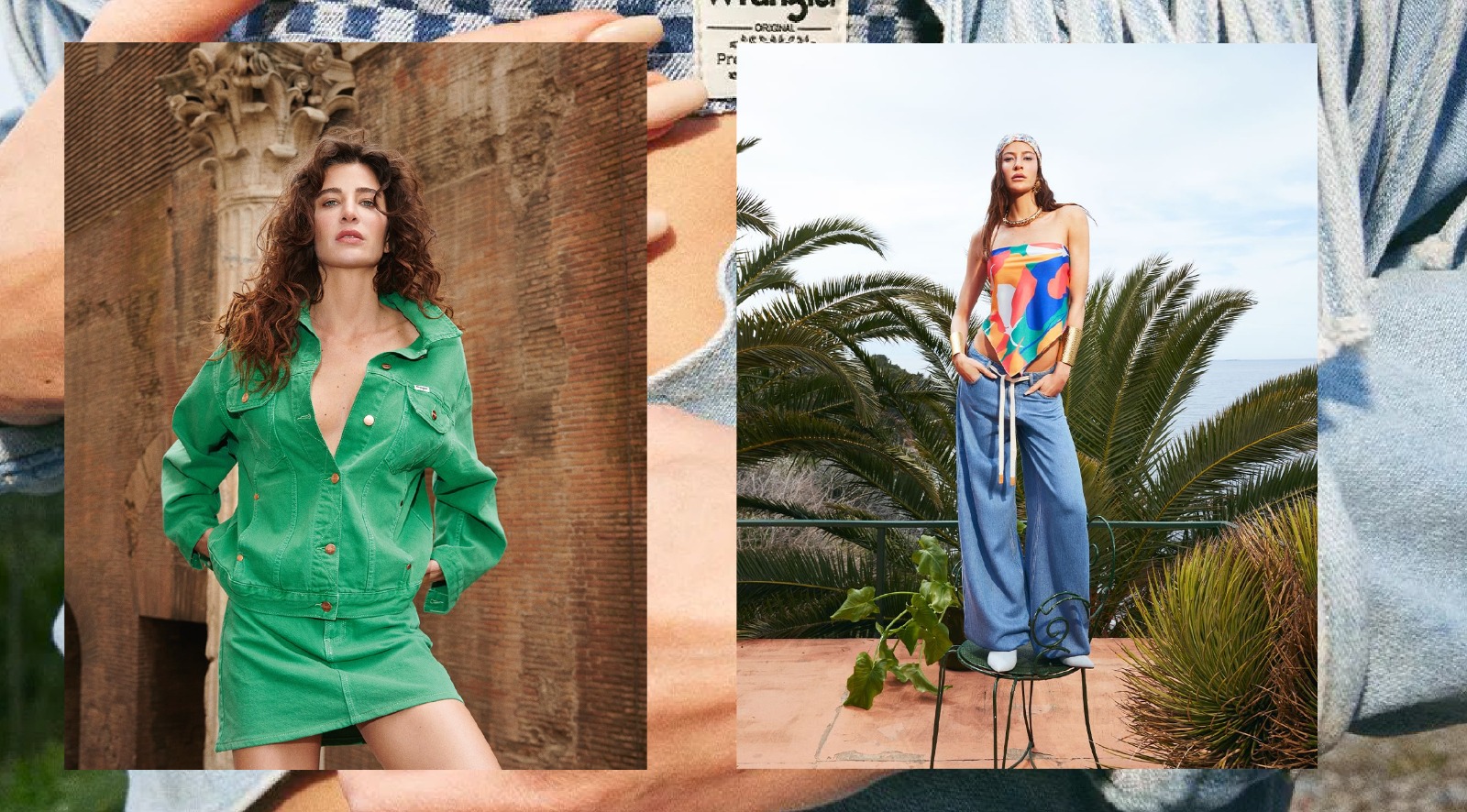
Wrangler, the iconic American denim brand, has joined forces with renowned actress Berrak Tüzünataç to launch a vibrant and refreshing collection. This collaboration showcases a unique blend of fabrics, innovative ideas, and the creative expertise of MarkaLab, resulting in a stunning range of garments that embody the spirit of summer.
 
The Wrangler x Berrak Tüzünataç collection places a strong emphasis on fabric quality and design, ensuring both comfort and style for fashion enthusiasts. From lightweight denim to soft cotton blends, the fabrics chosen for this collection are carefully selected to offer durability, breathability, and a luxurious feel.
 
The Collection:
Infusing Summer Vibes with a Modern Twist: The collection aims to infuse summer vibes into each garment, offering a modern twist on classic designs. The color palette reflects the vibrant energy of the season, featuring a mix of bold and pastel hues. From stylish denim shorts and trendy jumpsuits to effortlessly chic dresses, the range caters to various fashion preferences while maintaining a cohesive aesthetic.
 
Empowering Confidence and Individuality: Berrak Tüzünataç, known for her unique sense of style and confident personality, brings her creative ideas to the collection. By blending her fashion-forward vision with Wrangler’s heritage, the collaboration aims to empower individuals to express their individuality through their clothing choices. Each piece is thoughtfully designed to celebrate diversity, encouraging wearers to embrace their true selves.
 
We also play a pivotal role in this collaboration, contributing its expertise in design and craftsmanship. With a strong understanding of market trends and consumer preferences, we also ensured that the Wrangler x Berrak Tüzünataç collection remains contemporary and appealing to fashion-forward individuals. Their involvement adds a touch of sophistication and refinement to the overall aesthetic of the collection.
 
The Wrangler x Berrak Tüzünataç collection is an exciting collaboration that brings together the expertise of Wrangler, the unique vision of Berrak Tüzünataç, and the creative flair of MarkaLab. With its carefully chosen fabrics, vibrant designs, and commitment to individuality, this collection is set to make a statement in the world of fashion. It exemplifies Wrangler’s ability to adapt to contemporary trends while maintaining its legacy as a pioneer in denim craftsmanship. As fashion enthusiasts eagerly await its release, the Wrangler x Berrak Tüzünataç collection promises to add a burst of color and style to the summer season.


The Crucial Role of Research anda Analyzing Market Trends in the Fashion Industry

The Crucial Role of Research anda Analyzing Market Trends in the Fashion Industry

June 19, 2023

Yagiz Pekkaya

3 minute reading

linkedin 35

Unveiling the Fashion Crystal Ball: The Crucial Role of Research and Analyzing Market Trends in the Fashion Industry


 In the ever-evolving realm of fashion, staying ahead of the curve is a perpetual challenge. The fashion landscape is a dynamic tapestry of changing tastes, emerging trends, and shifting consumer behaviors. To navigate this fast-paced industry, businesses must adopt a strategic approach, and at the heart of that strategy lies the indispensable practice of researching and analyzing market trends. This article delves into the importance of embracing this fundamental aspect and highlights how it serves as a fashion crystal ball, guiding businesses toward success.


The Fashion Revolution: Fashion is not just about clothing; it is a form of expression, a reflection of culture, and an ever-present force in our lives. As trends emerge and fade, businesses find themselves in a perpetual chase to satisfy the insatiable appetite of the fashion-conscious consumer. Understanding market trends helps fashion businesses predict and adapt to these shifting preferences, ensuring they remain relevant in an increasingly competitive industry.

Identifying Opportunities: The fashion industry is a labyrinth of opportunities waiting to be discovered. Researching and analyzing market trends provide fashion businesses with a compass, enabling them to identify lucrative niches and untapped markets. By carefully studying emerging trends, businesses can align their product offerings to cater to the evolving demands of consumers. This proactive approach not only strengthens brand positioning but also fosters a loyal customer base.


The Fast and the Furious: Speed is of the essence in the fashion industry. Trends come and go at lightning speed and businesses that fail to keep up risk falling behind their competitors. Researching market trends equips fashion businesses with the ability to anticipate the next big thing and respond swiftly. Armed with this knowledge, companies can streamline their supply chains, shorten production cycles, and ensure they are always one step ahead, delivering fashionable products when they are in the highest demand.


Understanding Consumer Behavior: Consumers today are more discerning than ever before. Their purchasing decisions are influenced by an array of factors, including social media, influencers, sustainability, and personal values. Researching market trends provides fashion businesses with invaluable insights into consumer behavior. By analyzing purchasing patterns, preferences, and lifestyle choices, businesses can tailor their marketing strategies, product designs, and messaging to effectively connect with their target audience. This deep understanding of consumer behavior is the cornerstone of building enduring brand-consumer relationships.


Mitigating Risk: In the volatile world of fashion, uncertainty is an ever-present companion. Market trends research acts as a risk management tool, allowing businesses to make informed decisions and minimize the inherent risks associated with the industry. By staying attuned to shifts in consumer preferences, businesses can avoid investing in fading trends and mitigate the risk of overstocking. Additionally, identifying early warning signs of market saturation or changing consumer sentiments empowers fashion businesses to adapt and diversify, safeguarding their long-term viability.

Competitive Edge: In the cutthroat world of fashion, a competitive edge is the key to survival. Researching market trends offers businesses a strategic advantage over their rivals. By staying ahead of the curve, fashion businesses can carve out a unique niche, differentiate their brand, and position themselves as trendsetters rather than followers. This fosters brand loyalty, attracts new customers, and solidifies their position as leaders in the industry.


In the fast-paced, trend-driven world of fashion, researching and analyzing market trends is not just a luxury; it is a necessity. By embracing this practice, fashion businesses gain unparalleled insight into consumer preferences, identify new opportunities, mitigate risks, and maintain a competitive edge.


At MarkaLab, we pride ourselves on being at the forefront of fashion market research and analysis. Our mission is to provide our clients with unparalleled insights and strategies that propel their businesses to new heights. With our cutting-edge tools and meticulous methodologies, we delve deep into the intricate world of consumer behavior, emerging trends, and industry dynamics. Our team of skilled analysts leaves no stone unturned, employing both quantitative and qualitative approaches to gather invaluable insights. From decoding purchasing patterns to understanding cultural influences, we have a knack for spotting emerging trends before they hit the mainstream. By transforming raw data into actionable strategies, we empower our clients to make informed decisions that give them a competitive edge. At MarkaLab, we are passionate about deciphering the fashion crystal ball and guiding our clients toward success in this fast-paced industry.

Fashion Retail Analytics

Fashion Retail Analytics

June 19, 2023

Yagiz Pekkaya

3 minute reading

linkedin 36

Fashion Retail Analytics: Unlocking Insights for Business Growth


In today’s fast-paced and competitive fashion retail industry, staying ahead of the curve is essential for business growth. The key to success lies not only in keeping up with the latest trends but also in leveraging the power of data analytics. Fashion retail analytics has emerged as a game-changer, allowing businesses to unlock valuable insights and make data-driven decisions to drive growth and stay relevant in the market.


One of the primary advantages of fashion retail analytics is its ability to analyze customer behavior. Understanding the preferences, shopping patterns, and buying habits of customers is crucial for businesses to tailor their offerings and provide personalized experiences. By collecting and analyzing customer data, retailers can gain deep insights into what drives their customers’ purchasing decisions, which products are most popular, and how they can improve customer satisfaction. This information can be used to optimize product assortments, improve inventory management, and enhance the overall customer experience.


Moreover, fashion retail analytics enables retailers to track sales performance effectively. By monitoring key sales metrics such as revenue, average transaction value, conversion rates, and customer lifetime value, businesses can identify trends and patterns that impact their bottom line. This information allows retailers to make informed decisions regarding pricing strategies, inventory allocation, and marketing campaigns. For instance, if analytics reveal that certain products are underperforming, retailers can take corrective measures such as adjusting pricing, running targeted promotions, or modifying their marketing messaging.


Pricing and promotions are critical elements in the fashion retail industry. Analytics can help retailers optimize these strategies by analyzing historical sales data, market trends, and competitor pricing. By leveraging this information, businesses can determine the optimal price points for their products and identify the most effective promotional tactics. This data-driven approach not only ensures competitive pricing but also maximizes profitability and avoids excessive discounting, which can erode margins.


In addition to customer behavior and sales performance, fashion retail analytics plays a vital role in making informed merchandising decisions. Retailers can analyze data to determine which products are performing well, which are trending, and which are in demand. This insight can guide assortment planning, inventory management, and product development. By stocking the right products in the right quantities, businesses can minimize stockouts, reduce excess inventory, and optimize their supply chain, ultimately leading to improved operational efficiency and increased profitability.


Furthermore, fashion retail analytics helps businesses identify emerging trends and forecast future demand. By analyzing data from various sources such as social media, online forums, and industry reports, retailers can gain valuable insights into consumer preferences, upcoming fashion trends, and market shifts. This foresight enables them to proactively adapt their product offerings, marketing strategies, and supply chain operations to meet changing customer demands. By staying ahead of the curve, retailers can capture new market opportunities and maintain a competitive edge in the industry.


In conclusion, fashion retail analytics is a powerful tool that unlocks valuable insights for business growth. By leveraging data to analyze customer behavior, track sales performance, optimize pricing and promotions, and make informed merchandising decisions, retailers can enhance their competitive advantage, improve customer satisfaction, and drive profitability. In an industry where trends change rapidly, embracing analytics is no longer an option but a necessity for fashion retailers looking to thrive in today’s dynamic market.

Skechers Sportswear and MarkaLab: The Perfect Match for Comfort, Style, and Innovation in Athletic Apparel

Skechers Sportswear and MarkaLab: The Perfect Match for Comfort, Style, and Innovation in Athletic Apparel

June 19, 2023

Yagiz Pekkaya

3 minute reading

linkedin 37

Skechers Sportswear and MarkaLab: The Perfect Match for Comfort, Style, and Innovation in Athletic Apparel


Skechers has long been known as a go-to brand for comfortable and stylish footwear, but in recent years, they’ve expanded their offerings to include sportswear as well. And with the help of MarkaLab, Skechers is quickly becoming a major player in the world of athletic apparel.


So why is Skechers sportswear so good? Well, for starters, it’s incredibly comfortable. Skechers has always been known for its innovative use of materials and its sportswear is no exception. The clothing is made with moisture-wicking fabrics that keep you cool and dry, even during the most intense workouts. Plus, the clothing is designed with stretchy materials that move with your body, so you never feel constricted or uncomfortable.


But comfort is just the beginning. Skechers sportswear is also incredibly stylish. In fact, it’s the unique design aesthetic that sets Skechers apart from other athletic brands. And that’s where we, MarkaLab comes in.


When Skechers decided to expand their sportswear offerings, they turned us, to MarkaLab to help them create a line that was both stylish and functional.


So how do we create designs for Skechers?


Well, it all starts with research. The designers at MarkaLab spend time studying the latest fashion trends, as well as the latest innovations in athletic apparel. They also spend time studying the Skechers brand, so they can create designs that are true to the company’s unique aesthetic.


Once the research is done, the designers start sketching out ideas. They play around with different color palettes, patterns, and materials until they come up with a collection of designs that they’re excited about. From there, they create prototypes and work closely with the Skechers team to make sure that the clothing is not only stylish but also functional.


And the results speak for themselves. Skechers sportswear is quickly becoming a favorite among athletes and fitness enthusiasts. In fact, the company’s sportswear sales increased by 25% in 2020, despite the challenges posed by the COVID-19 pandemic. And with new collections being released every season, it’s clear that Skechers is committed to staying at the forefront of the athletic apparel industry.


But what sets Skechers apart from other brands in terms of design? Well, for one thing, they’re not afraid to take risks. Skechers sportswear is full of bold colors, unexpected patterns, and unique silhouettes. They’re not just copying what other brands are doing – they’re creating their own unique look.


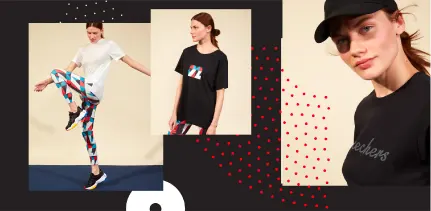
For example, one of the most popular pieces in the Skechers sportswear line is the “Go Seamless” leggings. These leggings are made with a unique seamless construction that eliminates chafing and irritation. But what really sets them apart is the bold color-blocking design. They’re not your typical black leggings – they’re bright, bold, and eye-catching.

Another standout piece in the Skechers sportswear line is the “Go Walk” hoodie. This hoodie is made with a soft, cozy fabric that’s perfect for chilly days. But again, what really sets it apart is the design. It features a unique geometric pattern that’s unlike anything you’ll find from other athletic brands.


So if you’re looking for comfortable, stylish, and innovative sportswear, look no further than MarkaLab, you can be sure that the designs will continue to push the boundaries of what’s possible in the world of athletic apparel.

The AI Fashion Revolution

The AI Fashion Revolution

June 19, 2023

Yagiz Pekkaya

3 minute reading

linkedin 38

The AI Fashion Revolution: How Technology is Changing the Industry from Design to Sustainability


Hey there, fashion-forward friends! Have you ever wondered how technology is changing the world of fashion? Well, wonder no more, because AI is here to shake things up in the best way possible. From the design process to distribution, marketing, sourcing, and sustainability, AI is making waves in the fashion industry, and we’re here to spill the tea.


Let’s start with the design process. In the past, designers would sketch out their ideas and create physical prototypes, which could take weeks or even months to perfect. But with AI, the design process is becoming faster and more efficient than ever before. Using data on consumer preferences, trends, and even weather patterns, AI algorithms can help designers create and test out countless designs in record time. For example, the fashion brand Tommy Hilfiger used AI to design a collection of clothes inspired by the brand’s archives. The AI analyzed images of Tommy Hilfiger’s past collections to identify the most popular designs, colors, and patterns, and then used that data to create the new collection. Also, we saw that H&M has already used AI to design a collection of dresses, skirts, and blouses based on data from fashion bloggers and social media influencers. The AI algorithms analyzed the bloggers’ posts to identify the most popular colors, patterns, and silhouettes and then used that data to create the collection.


But AI isn’t just changing the way fashion is designed – it’s also revolutionizing the way it’s distributed and marketed. With the rise of online shopping, companies are using AI-powered technology to give customers a more personalized shopping experience. For example, fashion retailer ASOS has implemented an AI-powered tool that recommends clothes to customers based on their previous purchases and browsing history. By analyzing data on customer behavior, the AI can predict what a customer is most likely to buy, making it easier for them to find clothes they love.


When it comes to sourcing and manufacturing, AI is also having a major impact on the textile business. By analyzing data on everything from labor conditions to environmental impact, AI algorithms can help companies make more sustainable sourcing and production decisions. For example, textile manufacturer Birla Cellulose has used AI to optimize its manufacturing processes, reducing waste and energy consumption in the process.


But sustainability isn’t just about manufacturing – it’s also about reducing waste and encouraging reuse. And that’s where AI-powered resale platforms come in. By using AI algorithms to identify items that are likely to sell, these platforms are helping to reduce waste and keep clothes in circulation for longer. For example, the online consignment store ThredUp uses AI to analyze data on sales trends and consumer preferences, allowing it to offer personalized recommendations to its customers.

All in all, the impact of AI on the fashion industry is set to be massive. From faster and more efficient designing to more sustainable sourcing and manufacturing practices, AI is changing the way we think about fashion. And while some may worry that this means the end of creativity and human input in the industry, we prefer to see it as an opportunity to push the boundaries of what’s possible – and have some fun along the way.


So, whether you’re a designer, a marketer, a sustainability advocate, or just a fashion lover, get ready to embrace the AI revolution in fashion. It’s going to be a wild ride – but we have a feeling it’s going to be one that we’ll all love.

WRANGLER PLUGS INTO MUSIC AND TV COLLAB

WRANGLER PLUGS INTO MUSIC AND TV COLLAB

June 19, 2023

Yagiz Pekkaya

5 minute reading

linkedin 39

WRANGLER PLUGS INTO MUSIC AND TV COLLAB


Are you ready to rock out in style? Well, hold on to your cowboy hats, because Wrangler is at it again! The iconic denim brand has recently announced an electrifying collaboration with legendary guitar brand Fender, and we couldn’t be more excited. That’s right, Wrangler is plugging into the power of music once again, and this time they’re teaming up with one of the biggest names in the biz.


This isn’t the first time that Wrangler has delved into the world of music collaborations. In the past, the brand has partnered with Grammy-winning artists like Lil Nas X and Kacey Musgraves to create limited-edition collections that fuse country western style with contemporary flair. And let’s not forget the “Wrangler on my Booty” campaign that took the internet by storm in 2019, featuring Lil Nas X and his now-iconic hit song “Old Town Road”.


But the Fender collaboration takes things to a whole new level. The collection features a range of denim jackets and jeans, all adorned with Fender’s signature logo and designs. From classic blue denim to bold black washes, these pieces are the perfect way to show off your love for music and fashion at the same time.


And let’s not forget the details. The jackets feature custom embroidery and hardware inspired by Fender’s iconic guitars, while the jeans are accented with subtle guitar picks and other design elements. These are not your ordinary denim pieces – they’re elevated, statement-making pieces that are sure to turn heads.


But what’s even more exciting is what this collaboration represents. Wrangler and Fender are both iconic American brands with rich histories, and this partnership is a celebration of that heritage. It’s a way to pay tribute to the music that has defined American culture for generations, while also pushing the boundaries of what’s possible in fashion.


So whether you’re a guitar hero in training or just looking for some seriously cool denim, the Wrangler x Fender collaboration has something for everyone. With its bold designs, attention to detail, and unwavering commitment to quality, this collection is a true rockstar in the making. So go ahead, turn up the volume, and let’s see what this collaboration can do!

The Future of Sportswear and Sportswear Industry

The Future of Sportswear and Sportswear Industry

June 19, 2023

Yagiz Pekkaya

5 minute reading

The Future of Sportswear and Sportswear Industry

The Future of Sportswear and Sportswear Industry: Sustainable, Tech-Driven, and Growing


Sports and fashion have been intertwined for decades. Sportswear, once seen as simply functional, has evolved into a multi-billion dollar industry that is constantly pushing the boundaries of design and technology. In recent years, sportswear has become an integral part of mainstream fashion, with people incorporating athletic wear into their everyday outfits. As we look to the future of sportswear, it’s clear that the industry will continue to grow and evolve to meet the needs and desires of consumers.


Current Industry


The sportswear industry has experienced tremendous growth over the past decade. According to Statista, the global sportswear market was valued at $390 billion in 2020, with North America being the largest market. This growth can be attributed to several factors, including the rise of athleisure, an increased focus on health and wellness, and advancements in technology that have allowed for the creation of high-performance athletic gear.


Athleisure, which is the trend of wearing athletic clothing as everyday wear, has been a major driver of growth in the sportswear industry. Consumers have embraced the comfort and versatility of athletic wear, and brands have responded by creating pieces that are both functional and stylish. In fact, a report by Allied Market Research estimates that the athleisure market will reach $257.1 billion by 2026.


In addition to athleisure, the focus on health and wellness has also contributed to the growth of the sportswear industry. More people are taking up fitness activities and are looking for clothing that can support their workouts. This has led to an increased demand for high-performance athletic wear that is breathable, moisture-wicking, and durable.


Finally, advancements in technology have enabled sportswear brands to create innovative products that meet the needs of consumers. For example, Nike’s Flyknit technology uses a single thread to create a seamless upper for shoes, reducing waste and improving performance. Under Armour’s ColdGear technology uses a double-layer fabric to keep athletes warm in cold weather. These types of advancements have helped to differentiate brands and attract consumers who are looking for the latest in athletic gear.


Where Is It Going?


Sportswear has come a long way in the past few decades. From basic cotton t-shirts and shorts, we now have high-tech fabrics that are designed to wick away sweat, regulate body temperature, and even enhance performance. But where is sportswear heading in the future? What trends can we expect to see in the coming years?


One trend that is likely to continue is the emphasis on sustainability. As people become more aware of the impact that their clothing choices have on the environment, they are looking for sportswear that is made from sustainable materials and manufactured in an eco-friendly way. Some companies are already leading the charge in this area, using materials like recycled polyester and organic cotton to create their products.


Another trend that we are likely to see in the future is the integration of technology into sportswear. Already, we have smartwatches and fitness trackers that monitor our activity levels and heart rate. In the future, we may see sportswear that can do the same, with sensors built into the fabric that can track our movements and vital signs.


The Future of the Sportswear Industry: What to Expect in the Next 5 Years


The sportswear industry is expected to continue to grow in the next five years. According to a report by ResearchAndMarkets.com, the global sportswear market is expected to reach $547.7 billion by 2024, with a compound annual growth rate (CAGR) of 4.3% during the forecast period.


One trend that is likely to continue in the industry is the rise of e-commerce. More and more people are shopping online for their sportswear, and this trend is expected to continue in the future. This means that companies will need to invest in their online presence and make sure that their websites are easy to use and navigate.


Another trend that is likely to continue is the focus on sustainability. Consumers are becoming more environmentally conscious, and they are looking for sportswear that is made from sustainable materials and manufactured in an eco-friendly way. Companies that prioritize sustainability are likely to be more successful in the future.


In terms of design and innovation, we can expect to see continued growth in this area. As technology improves, we may see new fabrics and designs that are even more advanced than what we have today. Companies that invest in research and development are likely to be the ones that succeed in the future.


In conclusion, the future of sportswear and the sportswear industry looks bright. We can expect to see continued innovation in fabrics and designs, a focus on sustainability, and a growing emphasis on e-commerce.

The Fabrics 2023

The Fabrics 2023

June 19, 2023

Yagiz Pekkaya

5 minute reading

linkedin 44

The Fabrics of 2023


It’s hard to predict the future, but when it comes to fabric trends, we can make some educated guesses! In this blog post, we’ll explore what fabric trends we might expect to see in the year 2023. We’ll discuss the latest innovations in fabric technology and the popular materials that are likely to be used in fashion and home decor. By understanding these trends, you can stay ahead of the curve and be prepared for what is likely to come in the world of fabrics and textiles. So read on and get ready for a ride into the future of fabric trends!


2023 is the target year for the global elimination of all textile fiber waste. By then, it is hoped that every piece of textile produced will be able to be reused or recycled in some way. In order to make this a reality, many businesses are starting to explore eco-friendly fabric options.


There are a number of benefits associated with using eco-friendly fabrics, including reducing environmental pollution and protecting natural resources. Additionally, eco-friendly fabrics are more comfortable and durable than traditional fabrics, which makes them ideal for high-stress environments such as hospitals and police uniforms.


As the world continues to move towards a more sustainable and ethical fashion industry, more and more people are looking for eco-friendly fabrics. Not only do these fabrics have a lower environmental impact, but they also tend to be softer and less itchy than traditional clothes.


Below is a list of five environmentally friendly fabrics that is possible for us to see in the collections this year;


– Hemp

– Bamboo

– Cotton twill

– Linen twill

– Tencel fabric


In 2023, there are a number of popular fabrics that will be in demand. These include microfiber materials, cotton twill fabrics, and suede textures. Additionally, wovens such as linen and poplin will remain popular due to their versatile nature.


Fabric manufacturers are already starting to produce these types of materials, and they will become even more popular in the next few years. Sustainable fabric options not only have environmental benefits, but they also tend to be more durable and comfortable than traditional fabrics. Trends that once leaned heavily on traditional fabric choices, such as chiffon or silk gauze, are now being replaced by more sustainable and environmentally friendly materials. When designing in 2023, therefore, fashion designers should focus on incorporating environmentally friendly fabrics into their collections


The fabrics in fashion this year are a mix of new, innovative materials and classic fabrics. From recycled polyester and organic cotton to vegan leather and suede, there are now more options than ever for stylishly conscious shoppers. As 2023 progresses, we expect to see even more interesting materials making their way onto the fashion scene – but whatever the trends may be, one thing is certain: stylish fabrics are here to stay!

What is circular fashion eco system

What is circular fashion eco system

June 19, 2023

Yagiz Pekkaya

5 minute reading

Untitled 3

What is Circular Fashion


As defined by Brismar, the concept of circular fashion is based on the main principles of circular economy and sustainable development. It relates to the fashion industry in a wider sense, that is, not only to fashion products but also to apparel, sportswear, outdoor wear, footwear, home textiles, and similar products. Circular fashion concerns the entire life cycle of a product, from design and sourcing to production, transportation, storage, marketing, and sale, as well as the user phase and the product’s end of life.


The following definition has been developed by Brismar; it was originally formulated in 2014 and refined in 2017, and it is the only existing coherent definition of circular fashion to date (2022).


Circular fashion can be defined as clothes, shoes, or accessories that are designed, sourced, produced, and provided intending to be used and circulate responsibly and effectively in society for as long as possible in their most valuable form, and hereafter return safely to the biosphere when no longer of human use. (Anna Brismar, Green Strategy, 2017)


In a circular model, products are designed and developed with the next use in mind. Less than 1% of clothing is recycled into new clothing. The best thing we can do is buy less and reuse more. If everyone bought just one used item instead of a new one this year, it would have a huge collective and positive impact on the planet.


Principles of Circular Fashion Economy

Green Strategy, an innovation-driven and research-based consulting firm specializing in sustainability and circularity issues of the fashion industry, has identified sixteen key principles to support and promote a more circular and sustainable fashion, apparel, and textile industry:


  1. Design with a purpose
  2. Design for longevity
  3. Design for resource efficiency
  4. Design for biodegradability
  5. Design for recyclability
  6. Source and produce locally
  7. Source and produce without toxicity
  8. Source and produce with efficiency
  9. Source and produce with renewables
  10. Source and produce with good ethics
  11. Provide services to support longer life
  12. Reuse, recycle or compost all remains
  13. Collaborate well and widely


The first 13 principles are defined from a producer’s perspective, and the other three are relevant to the consumer’s perspective.


  1. Use, wash and repair with care
  2. Consider loan, rent, swap, or redesign instead of buying new
  3. Buy quality as opposed to quantity


What are the advantages of Circular Fashion?


The four key advantages of circular fashion include:

  • – Reduced dependency on imported raw materials.
  • – Creation of eco-friendly industries and jobs.
  • – Eco-friendly brands benefit from a better public image.
  • – Reduction in environmental damage caused by resource extraction.


Right now, the fashion industry is linear which means you buy a shirt and when you get tired of it, it ends up in the trash…or donated which also usually heads to the landfill.


Circular fashion is all about making, well, a circle with your purchases and avoiding the need to create new materials, new garments, but instead using what is already circulating out there.


Whether moving to a circular fashion economy can tackle the impact of business models that rely on continual growth, ever increasing volumes of production and consumers’ desire for newness is under question.


  • Brismar, Anna. 2017. What is Circular Fashion? Accessed via: https://greenstrategy.se/circular-fashion-definition/. Accessed on [date].


Denim Domination, 23 Jean Trends

Denim Domination, 23 Jean Trends

June 19, 2023

Yagiz Pekkaya

5 minute reading

two iconic

The Future of Sportswear and Sportswear Industry: Sustainable, Tech-Driven, and Growing

Sports and fashion have been intertwined for decades. Sportswear, once seen as simply functional, has evolved into a multi-billion dollar industry that is constantly pushing the boundaries of design and technology. In recent years, sportswear has become an integral part of mainstream fashion, with people incorporating athletic wear into their everyday outfits. As we look to the future of sportswear, it’s clear that the industry will continue to grow and evolve to meet the needs and desires of consumers.


Current Industry


The sportswear industry has experienced tremendous growth over the past decade. According to Statista, the global sportswear market was valued at $390 billion in 2020, with North America being the largest market. This growth can be attributed to several factors, including the rise of athleisure, an increased focus on health and wellness, and advancements in technology that have allowed for the creation of high-performance athletic gear.


Athleisure, which is the trend of wearing athletic clothing as everyday wear, has been a major driver of growth in the sportswear industry. Consumers have embraced the comfort and versatility of athletic wear, and brands have responded by creating pieces that are both functional and stylish. In fact, a report by Allied Market Research estimates that the athleisure market will reach $257.1 billion by 2026.


In addition to athleisure, the focus on health and wellness has also contributed to the growth of the sportswear industry. More people are taking up fitness activities and are looking for clothing that can support their workouts. This has led to an increased demand for high-performance athletic wear that is breathable, moisture-wicking, and durable.


Finally, advancements in technology have enabled sportswear brands to create innovative products that meet the needs of consumers. For example, Nike’s Flyknit technology uses a single thread to create a seamless upper for shoes, reducing waste and improving performance. Under Armour’s ColdGear technology uses a double-layer fabric to keep athletes warm in cold weather. These types of advancements have helped to differentiate brands and attract consumers who are looking for the latest in athletic gear.


Where Is It Going?


Sportswear has come a long way in the past few decades. From basic cotton t-shirts and shorts, we now have high-tech fabrics that are designed to wick away sweat, regulate body temperature, and even enhance performance. But where is sportswear heading in the future? What trends can we expect to see in the coming years?


One trend that is likely to continue is the emphasis on sustainability. As people become more aware of the impact that their clothing choices have on the environment, they are looking for sportswear that is made from sustainable materials and manufactured in an eco-friendly way. Some companies are already leading the charge in this area, using materials like recycled polyester and organic cotton to create their products.


Another trend that we are likely to see in the future is the integration of technology into sportswear. Already, we have smartwatches and fitness trackers that monitor our activity levels and heart rate. In the future, we may see sportswear that can do the same, with sensors built into the fabric that can track our movements and vital signs.


The Future of the Sportswear Industry: What to Expect in the Next 5 Years


The sportswear industry is expected to continue to grow in the next five years. According to a report by ResearchAndMarkets.com, the global sportswear market is expected to reach $547.7 billion by 2024, with a compound annual growth rate (CAGR) of 4.3% during the forecast period.


One trend that is likely to continue in the industry is the rise of e-commerce. More and more people are shopping online for their sportswear, and this trend is expected to continue in the future. This means that companies will need to invest in their online presence and make sure that their websites are easy to use and navigate.


Another trend that is likely to continue is the focus on sustainability. Consumers are becoming more environmentally conscious, and they are looking for sportswear that is made from sustainable materials and manufactured in an eco-friendly way. Companies that prioritize sustainability are likely to be more successful in the future.


In terms of design and innovation, we can expect to see continued growth in this area. As technology improves, we may see new fabrics and designs that are even more advanced than what we have today. Companies that invest in research and development are likely to be the ones that succeed in the future.


In conclusion, the future of sportswear and the sportswear industry looks bright. We can expect to see continued innovation in fabrics and designs, a focus on sustainability, and a growing emphasis on e-commerce.

FROM CASCADES LOGGER BOOT TO WORLD DOMINATION

FROM CASCADES LOGGER BOOT TO WORLD DOMINATION

May 31, 2021

Yagiz Pekkaya

3 minute reading

Skechers-Blog

Loved by millions of people across the globe, Skechers has been pioneering the shoe and textile industry since 1992 with more than 3,000 styles, counting to this day.

Skechers-Blog-Content2

Engraved in the DNA of the brand, every design guarantee to offer a perfect and comfortable fit while melting technology, innovation, quality and fashion in one pot.

The very well known one of a kind memory foam technology, which is originally developed by NASA, continues to provide extra cushioning, making them exceptionally comfortable. The
comfort factor is so high that wearing a pair of Skechers is often described as ‘like wearing slippers’, with a ‘perfect’ fit and ‘superb’ comfort.

Since creating the iconic ‘Chrome Dome’ in 1993, Skechers proved that the company was aware of changing trends as well as creating them. While being the only company to offer
Goga Mat (yoga mat material) in the shoes Skechers also offers many rainbow/colorful schemes on designs that are unique to the company.

From streetwear to athletic purposes, well designed lifestyle and performance foot and sportswear for men, women and kids of all ages continues to define the hip and cool to very this day.

‘THE ICON’ IN THE GAME

‘THE ICON’ IN THE GAME

May 31, 2021

Yagiz Pekkaya

3 minute reading

Wrangler Blog Content

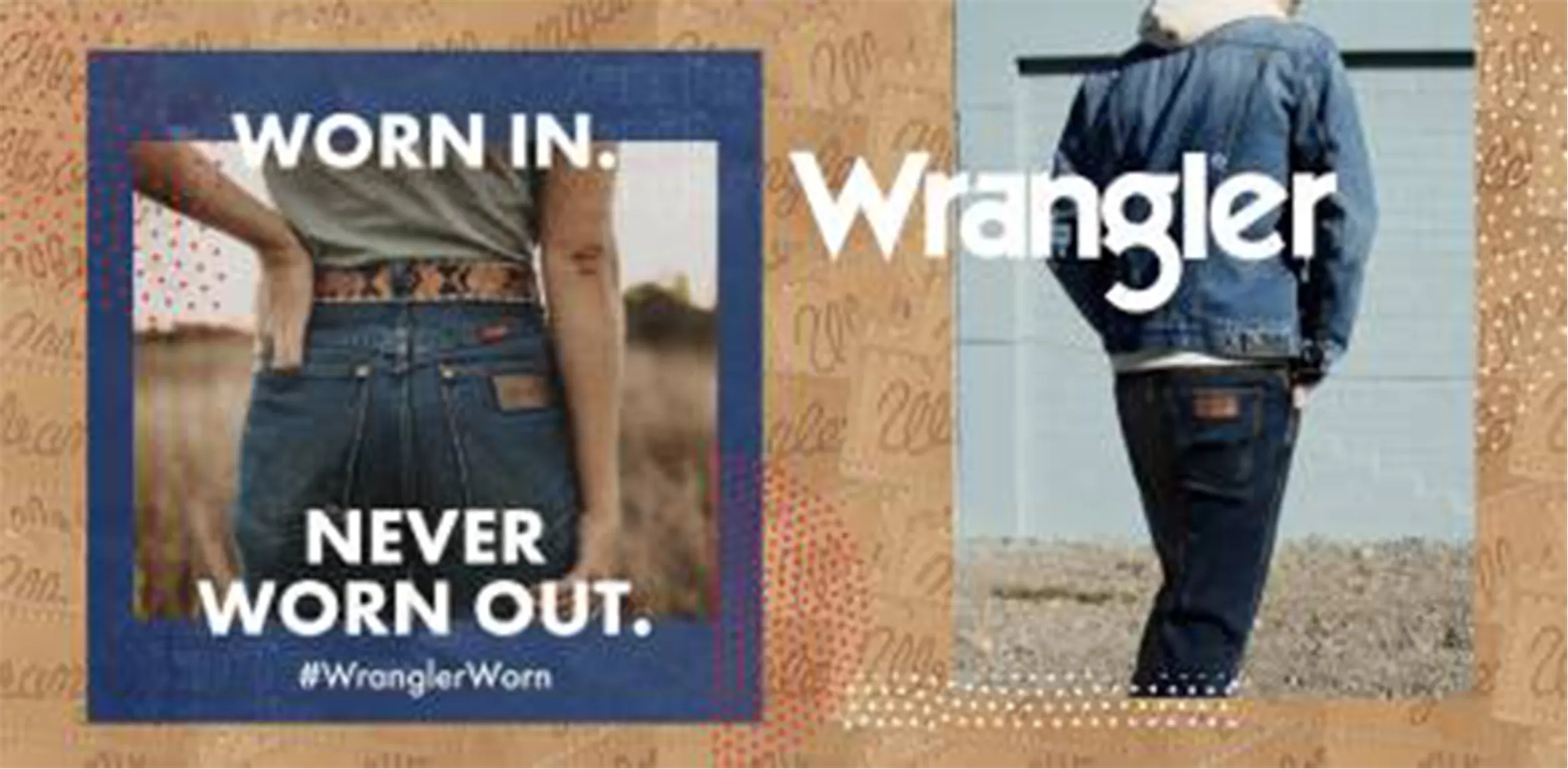
Comfortable, real, timeless and iconic. The words you’ve read may be the right words to describe one of the most beloved brands around the world. So much so that the journey that began in 1897 with C.C. Hudson’s Blue Bell brand continues to shape denim culture today under the name Wrangler.

As an icon of the AmWrangler-Blog-erican western lifestyle with representation around the globe, Wrangler continues to make an iconic touch in the closet of every person of all ages to this day. In fact, in the world of Wrangler the dream of being able to create a thousand different looks with one single pair of pants is entirely possible. With a huge respect for the tradition and history, Wangler continues to create iconic and timeless pieces with a unique point of view.

The brand, which processes state-of-the-art fabrics with fine craftsmanship, continues to take an innovative approach in every design. Leading the fashion scene with unique designs that understands the human need and body while respecting the rich tradition and for those who came before us.

Covering sustainability in 360 degrees, Wrangler continues to show efforts to strengthen the world and values that we have. From human to planet, one design and one idea at a time…

Wrangler’s story, which left its mark in the denim world, continues to be written, the ingeniously crafted ‘W’ logo in the back pocket reinforces this culture and continues to open new paths for others. From rodeos to music culture, we invite you to be free, strong spirited and ICONIC.

in the world of Wrangler the dream of being able to create a thousand different looks with one single pair of pants is entirely possible.

ONCE A LEGEND, ALWAYS A LEGEND

ONCE A LEGEND, ALWAYS A LEGEND

May 31, 2021

Yagiz Pekkaya

3 minute reading

Lee Blog Content

From supermodels to farmers, cowboys to presidents… Flared, Skinny, or bootcut. If we were to epitomise the ultimate wardrobe staple, we would be hard pressed to find anything more suiting than a pair of Lee jeans.

Indispensable for their versatility, there is little that a good pair of Lee denims can’t do. From our iconic 101J Slim, blanket-lined Storm Rider’s, and Loco jackets, we continue to embrace both craftsmanship and innovation.

Lee-Blog-

Our one of a kind story, which began in Kansas in 1889, continues to inspire thousands of people around the world. Special clothes for workers became an essential part of pop culture in 1954 thanks to stars such as Marlon Brando. And as you know, the rest is history…

In 2021, we are ready to lead today’s trends and inspire a new generation by intertwining technology and fashion with the idea of craftsmanship and sustainability. From
workers well-being to, saving 1 Billion liters of water in manufacturing we continue to focus on sustainability now more than ever. We are becoming industry leaders while developing high-quality clothing that’s less harmful to the planet, our communities, and the people who craft our products.

For what began as a classic symbol of the American workwear has now born partner to numerous occasions- from the monumental to the mundane. First dates, weekend countryside walks, meetings, catwalk shows, the importance of a good pair of Lee jeans really cannot be understated – and our popularity is showing no sign of diminishing. In this work we do wholeheartedly, we are ready to make our voice heard more than ever and change the world with a whole new generation. Are you ready to be a part of our rich and diverse universe?